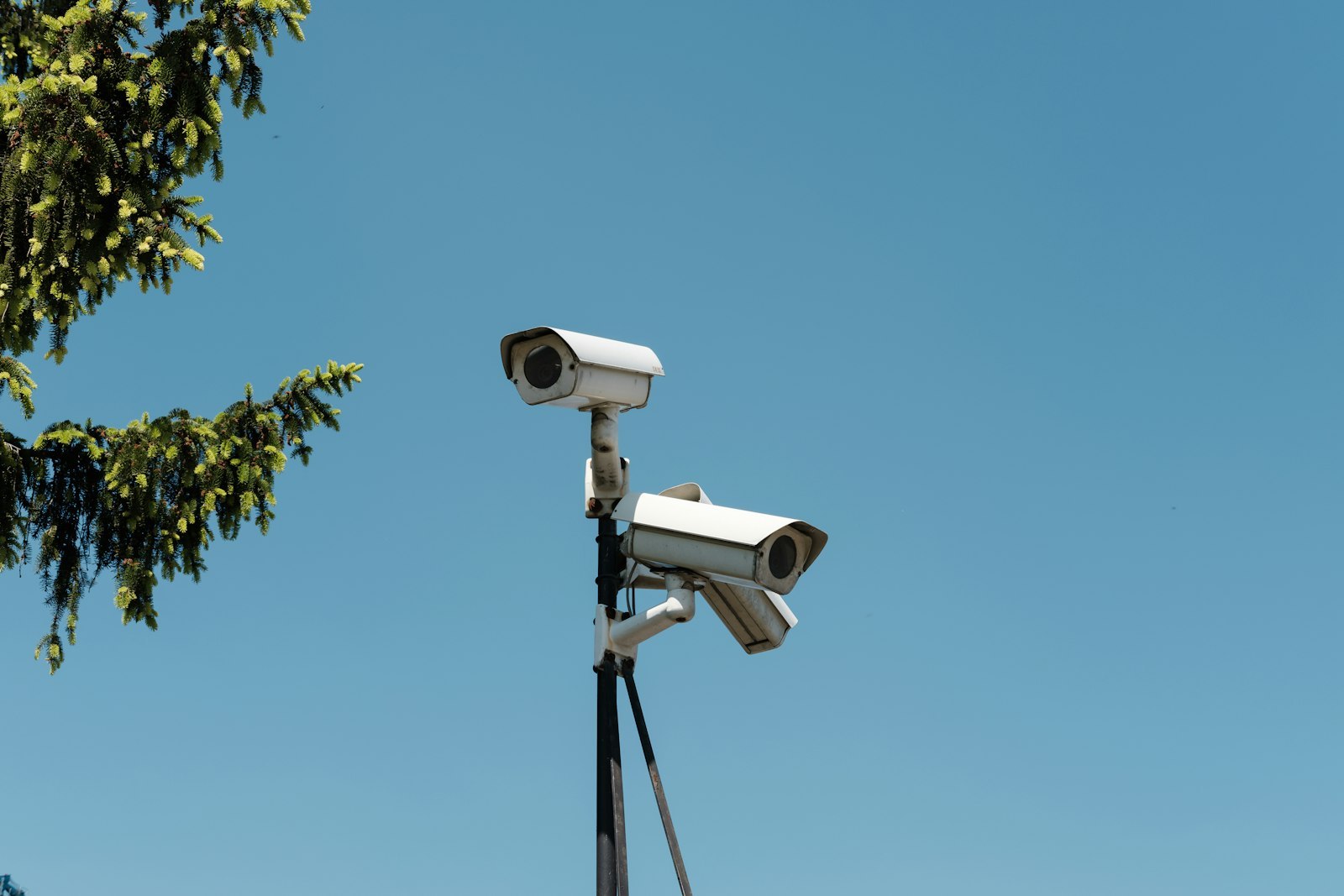
CCTV Installation
CCTV that actually covers your blind spots, installed by a local provider who knows what footage you're allowed to capture.
Most CCTV systems fail at the planning stage, not the hardware stage. Cameras get mounted too high to make out a face, angled at a fence line instead of a door, or left recording over themselves every 48 hours when the incident you needed footage of happened on day nine. A camera that's aimed properly and stored for long enough matters more than the megapixel count on the box.
There's a legal side too. Under the Privacy Act 2020, cameras that capture footage of a neighbouring property or the street need to be positioned and used carefully. If you're in an apartment building or under a body corporate, check the rules before you mount anything on shared walls or common areas. A provider who's done this before will flag it during the site visit rather than after installation.
Retail and commercial sites usually want a different setup again: wider coverage, remote viewing for multiple staff, and storage that holds up if there's a dispute weeks later. Tell us what you're covering, residential or commercial, and we'll match you with one installer who scopes the site properly.
What's typically included
- Site assessment to identify actual blind spots, not just entry points
- Wired PoE or wireless camera options
- Night vision and motion-triggered recording
- Remote viewing from your phone or a staff app for multi-site businesses
- Cloud or local storage, sized to how long you need footage retained
- Guidance on Privacy Act 2020 boundaries for cameras facing shared or public space
Frequently asked questions
Can I point a camera at my neighbour's driveway?
Generally no, not deliberately. Under the Privacy Act 2020, cameras should be angled to cover your own property. Some incidental capture of a shared boundary is usually fine; a camera aimed squarely at someone else's window is not. Your installer can help angle coverage so you're covered without overstepping.
How long does footage actually get stored for?
It depends on the storage plan you choose. Cheaper systems overwrite footage every few days; a small increase in storage budget often buys weeks instead. It's worth deciding based on how long it typically takes you to notice something's missing, not the minimum the hardware ships with.
Do I need a licensed installer for CCTV?
CCTV installation itself doesn't require the same licensing as security guarding in New Zealand, but a competent installer still matters for camera placement, cabling, and network setup. We only match enquiries to vetted providers in the network.
Related
Other services worth a look
Alarm Systems & Monitoring
Wired or wireless alarm systems, monitored around the clock or managed from your own phone.
Learn moreAccess Control Systems
Keypad, fob, card, and app-based access control for offices, apartments, and multi-tenant sites.
Learn moreSecurity Guards & Patrols
Static guards, mobile patrols, and event security from licensed personnel, matched to your site and hours.
Learn moreWhere we match
CCTV Installation across New Zealand
Ready to get matched with a security provider?
Two minutes on the form, and your enquiry goes to one vetted local provider. No call centre, no five-way bidding war.
Get a Free Quote